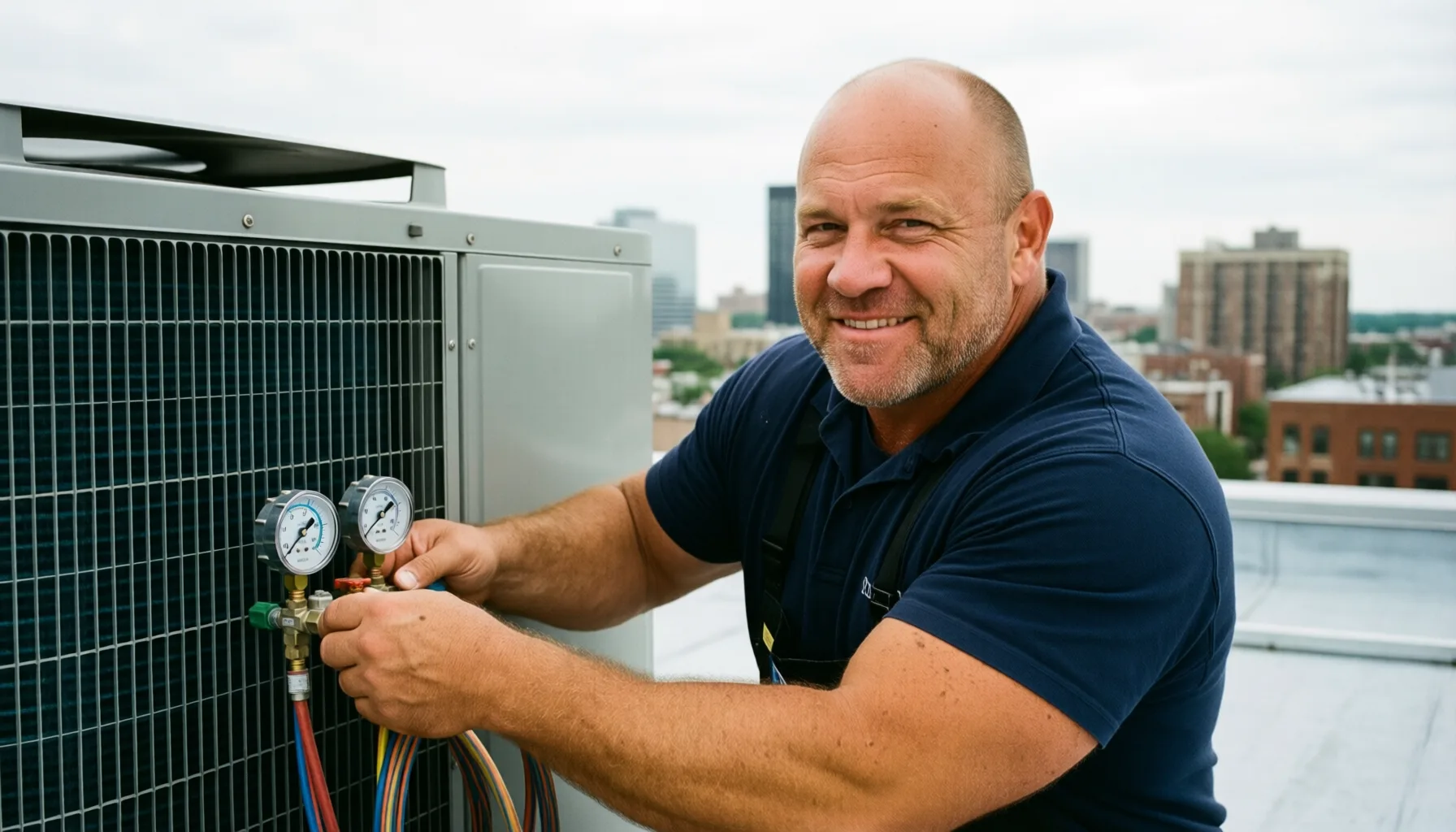
Understanding the AC Phase-Out Timeline for Miami Homeowners
Published: 2026-05-31 · By Air Conditioning Repair Miami Pros
As Miami homeowners brace for another sweltering summer, many may be unaware of the upcoming phase-out of certain air conditioning units. With our unique climate, featuring high humidity and salt air, understanding this change is crucial for maintaining a comfortable home. Imagine waking up on a sticky July morning only to find your trusty air conditioner struggling to keep up with the heat. The phase-out can complicate your cooling situation—and knowing when to replace or repair your unit can save you both energy and expense.
Why This Matters for Miami Homeowners
The air conditioning industry is undergoing significant changes, particularly aimed at enhancing energy efficiency and combating climate change. For Miami homeowners, the implications are especially pronounced since our air conditioning systems face pressures from high humidity and corrosive salt air. Older systems often fall short of new efficiency standards and may not perform well in our tropical storms or hurricane conditions.
This matters deeply for Miami residents. As temperatures rise, so do the demands placed on older units. You might think you can push through another summer with an outdated model, but the reality is that this could lead to unexpected breakdowns and skyrocketing energy bills. In a location like Miami, where comfort and reliability are paramount, upgrading in line with the phase-out timeline can have long-lasting benefits.
Research indicates that older units will face increased maintenance needs as they age, leading to potentially unsafe operating conditions. Thus, being proactive is key.
Expert Solutions & Actionable Tips
1. Assessing Your Current System
Begin by evaluating the efficiency rating of your existing air conditioning unit. Systems older than 10 years often have Seasonal Energy Efficiency Ratios (SEER) below the current minimum of 14 SEER. If your AC’s SEER is below this threshold, it may be time to consider replacement. Replacement costs in Miami can range from $3,000 to $7,000 depending on the unit type and installation complexities.
Take advantage of the cooler months to schedule a professional assessment, ensuring you understand the condition of your unit before the heavy cooling season kicks in.
2. Understanding Replacement Models
Researching replacement models early can ease the burden later. Brands like Trane or Carrier have models specifically designed for humid tropical climates. Expect to spend anywhere from $3,500 to $8,500 on a new, energy-efficient unit. The investment typically pays off within five years through reduced energy bills.
Consider the warranty benefits. Many newer models come with extended warranties that can provide peace of mind against unexpected repairs.
3. Maintenance is Key
Regular maintenance is vital to prolonging the lifespan of your AC unit. In humid Miami, it's essential to have your system serviced at least once a year. This maintenance typically costs between $75 to $150, depending on the service provider. Ensure that your technician checks for salt air corrosion—particularly if your property is close to the coast.
Be proactive about changing air filters every 1 to 3 months to maximize efficiency and airflow.
4. Energy Efficiency Incentives
Look into tax credits and rebates available for energy-efficient upgrades. The state of Florida offers incentives for residents who invest in energy-efficient AC installations. This could reduce your upfront costs significantly, making it financially easier to comply with the phase-out requirements.
Find a local Miami utility provider that may have programs to help with installation costs, potentially saving you hundreds.
5. When to Call a Professional
While some homeowners may be tempted to handle repairs themselves, knowing when to call a professional is vital. In Miami's unique climate, engaging an expert ensures the right equipment is used and installed properly. The average service call can range from $100 to $300, a small price to pay for the assurance that your system is operating safely and efficiently.
Specify the issues to your technician, including recent performance declines or unusual noises, to allow for a thorough assessment.
6. Preparing for Seasonal Changes
With Miami's unpredictable weather, being prepared for seasonal changes is crucial. Have contingency plans in place should a tropical storm hit during peak AC demand. Costs for emergency repairs can be significantly higher, sometimes ranging from $250 to $1,000 for urgent services.
Store essential documents related to your AC system, including warranties and service records, in an easily accessible location.
Miami Climate & Local Context
Miami's tropical climate is defined by heat and humidity, making air conditioning almost a necessity rather than a luxury. Homes in this region are often built with elevated structures and moisture barriers to mitigate the effects of storm surges and flooding, which is crucial when considering AC systems. Many homes incorporate features designed to handle the prevalent moisture and saline exposure, yet older models may not be suitable for these unique challenges.
Local building codes require specific permits for various AC installations and replacements, which is essential for ensuring compliance and safety. Always consult with a knowledgeable contractor familiar with local regulations to avoid costly penalties and ensure a smooth installation process.
When to Call a Professional
Deciding when to DIY and when to hire a professional is critical for Miami homeowners. If you’re experiencing simple issues such as filter replacements or thermostat adjustments, these can often be managed on your own. Some straightforward tasks might save you a service call. However, there are warning signs when it's time to consult an expert.
- Unusual noises from the unit
- Increased energy bills without corresponding usage
- Frequent cycling on and off
- Little to no airflow
- Moisture around the unit, indicating a refrigerant leak
- Age of the unit exceeding 10 years
- Inconsistent thermostat readings
- Burning or acrid odors
In Miami’s climate, it’s often advisable to err on the side of caution. Professional assessments can catch larger issues before they become costly repairs.
Frequently Asked Questions
What is the AC phase-out timeline?
The phase-out timeline generally begins with older, less efficient units and will progressively move to newer standards over the next several years, affecting homeowners across Miami.
When should I replace my air conditioning unit?
Considering the humidity and salt air in Miami, if your unit is over 10 years old or consistently requiring repairs, it may be advisable to replace it before facing emergency breakdowns.
How can I identify signs of AC failure?
Look out for unusual sounds, fluctuating temperatures, and an increase in energy bills; these often signal a malfunctioning system that needs professional attention.
What are the costs associated with AC repairs in Miami?
Repair costs can vary significantly but expect to pay between $100 to $300 on average for service calls, with more extensive repairs costing up to $1,500.
How can I improve my AC's efficiency?
Regular maintenance, including replacing filters monthly and having annual professional inspections, can significantly improve your AC's efficiency and lifespan.
Get Expert Air Conditioning Repair Service in Miami
As the heat creeps up this summer, remember that proactive measures can save you from a cooling crisis. For expert guidance tailored to Miami's unique challenges, reach out to Air Conditioning Repair Miami Pros. Our dedicated team is ready to ensure your home remains a comfortable refuge all season long.
Don't wait until the last minute; call (786) 386-4502 today and make sure your air conditioning needs are expertly handled.