Top 8 AC Problems Miami Homeowners Report Every Fall
Published: 2026-05-31 · By Air Conditioning Repair Miami Pros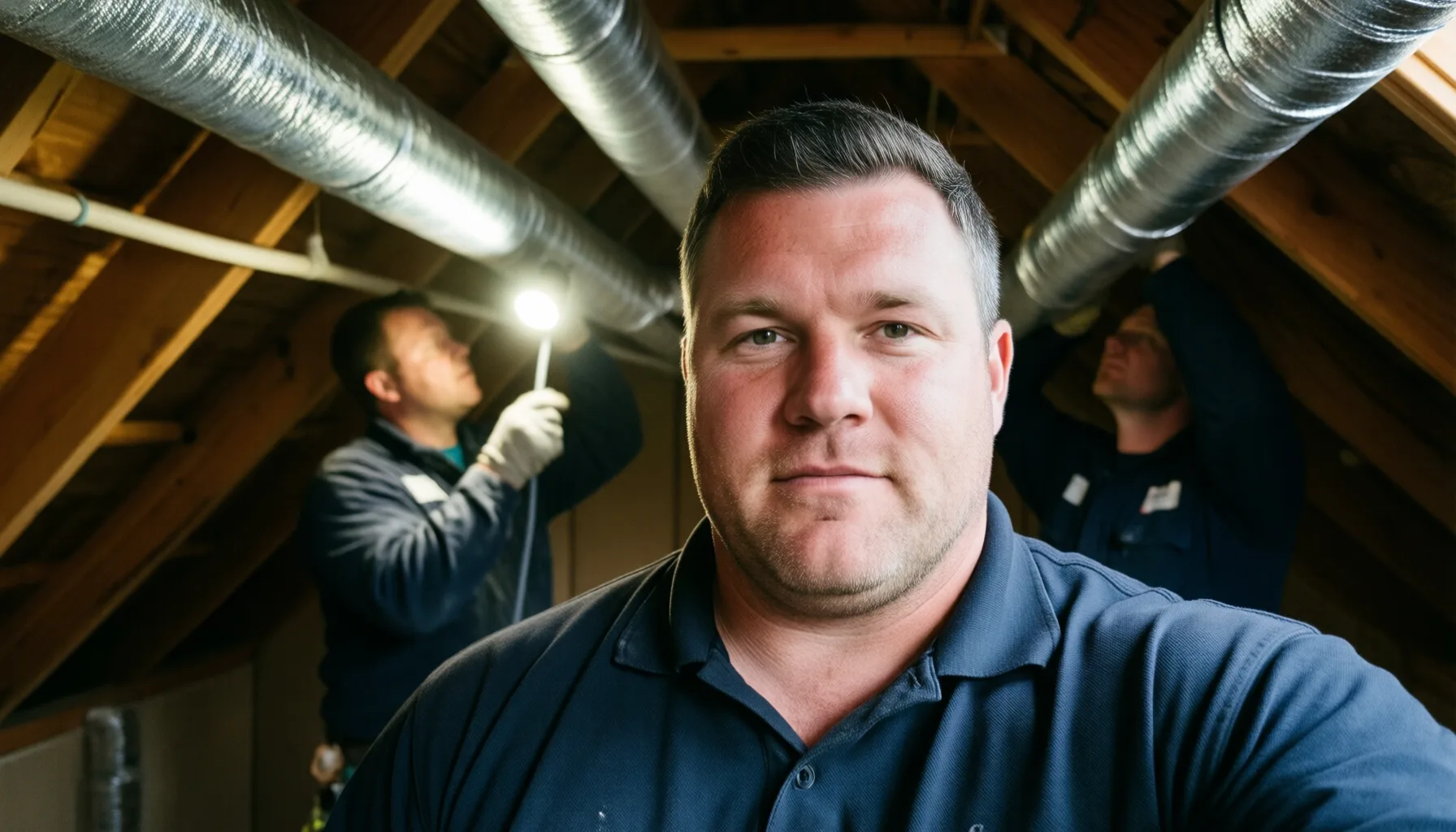
As Miami’s heat and humidity begin to shift into the milder fall months, many homeowners instinctively turn their attention to their air conditioning systems. Imagine coming home after a long day, expecting a cool breeze only to find that your AC just can’t keep up. Unfortunately, this scenario often becomes a reality as tired systems struggle to perform efficiently in the changing weather. The coastal environment adds a layer of complexity, as salt air and heavy rains can exacerbate pre-existing issues, leaving you sweating when you least expect it.
Why This Matters for Miami Homeowners
Miami’s unique weather conditions—marked by high humidity and the constant presence of salt air—can contribute to a range of air conditioning problems that tend to surface as summer wanes. The tropical storms that sweep through can introduce moisture into HVAC systems, causing wear and tear that becomes noticeable by fall. It’s critical for homeowners to understand that the corrosive nature of salt air accelerates metal deterioration, especially in exposed units. Regular maintenance becomes imperative to prevent further escalation of issues that could lead to costly replacements.
Additionally, the moisture barriers traditionally used in elevated homes could degrade, leading to leaks that impact not just cooling efficiency but also indoor air quality—a growing concern for families in humid climates.
Expert Solutions & Actionable Tips
1. Check Your Filters Regularly
Clogged air filters can restrict airflow, forcing your system to work harder. Not only does this reduce cooling efficiency, but it can also lead to system failure. In Miami, it's advisable to replace or clean filters every month during peak usage months. A good-quality filter costs between $15 and $30, but the energy savings over a summer can reach $100 or more.
2. Inspect the Condenser Unit
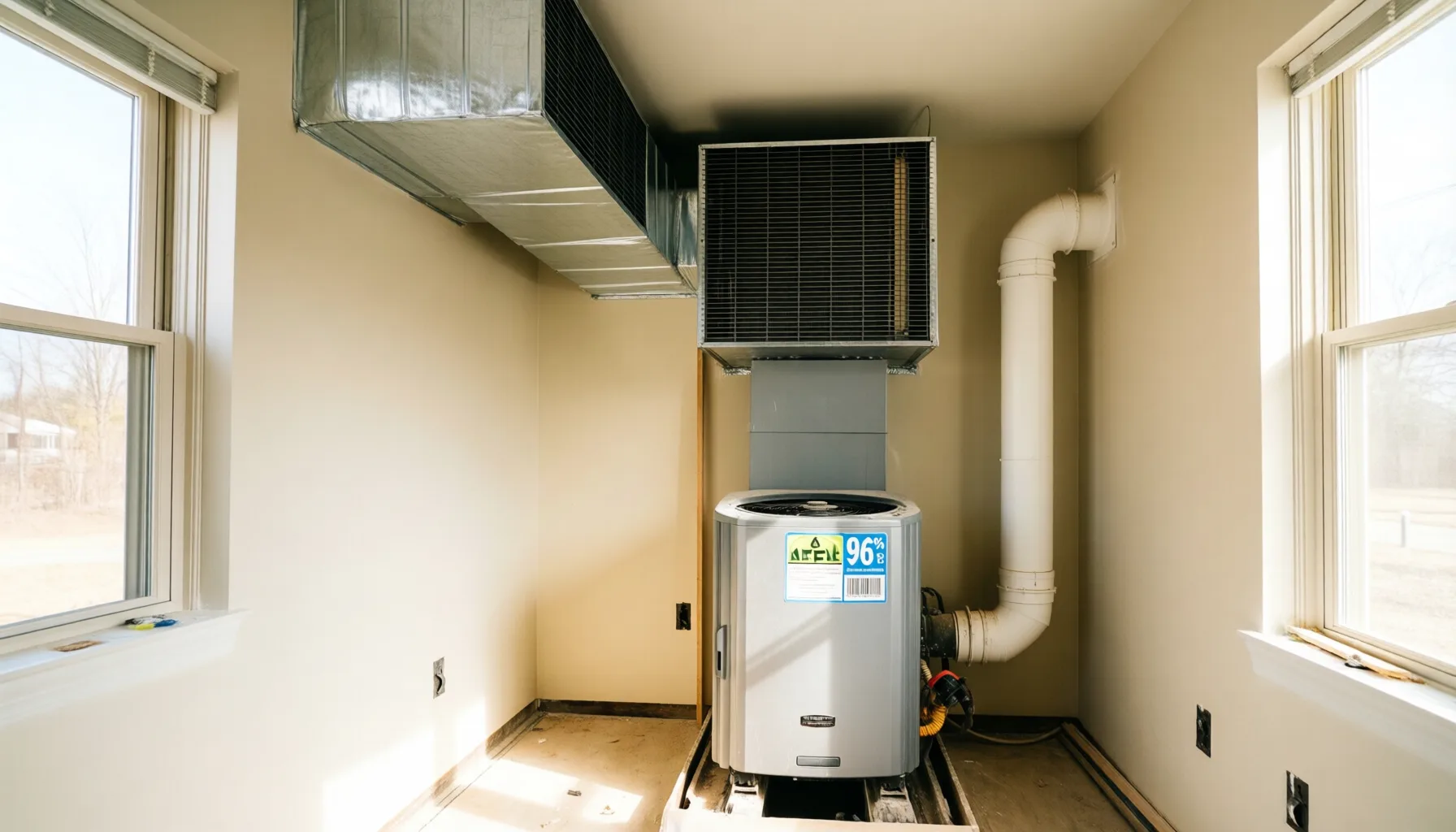
Debris from tropical storms can accumulate around the condenser unit, obstructing airflow. Ensure it’s clear of leaves, dirt, and anything that could inhibit performance. A professional cleaning might cost around $75 to $150, but neglecting this could lead to more severe blockages and system damage.
3. Monitor Refrigerant Levels
Low refrigerant can lead to inefficient cooling and might indicate a refrigerant leak, which should be addressed immediately. A simple recharge can cost between $100 and $200, but repairs for leaks can cost significantly more depending on the location and severity, making early detection crucial.
4. Seal Ducts and Insulation
Improperly sealed ducts mean that conditioned air is escaping before reaching your living spaces. This is particularly important for older Miami homes. Investing in duct sealing can lead to energy savings of 10-30%, and costs can range from $400 to $1,000 based on the size of your home.
5. Schedule Regular Maintenance
Annual professional maintenance checks can identify potential issues and are often only $75-$150 in Miami. Given the climate-related challenges, regular service can significantly extend the life of your AC unit and ensure consistent performance when you need it most.
6. Install a Programmable Thermostat
Optimizing your cooling schedule is key. A programmable thermostat costs around $100-$250 and can help manage energy use effectively, reducing your bills while maintaining comfort throughout the day. This is a smart investment for Miami residents aiming to have better control over their cooling systems.
Miami Climate & Local Context
Living in Miami, homeowners face a unique set of challenges regarding air conditioning due to the tropical climate. The high humidity and salt air can lead to quicker corrosion of both the external and internal components of AC units. Understanding the construction methods prevalent in Florida, such as elevated homes with moisture barriers, is critical for effective air conditioning maintenance. Without proper care, these homes can develop mold and air quality concerns, particularly during the fall when humidity levels can remain comparatively high.
The local building codes address these threats by requiring specific materials and designs, particularly regarding how windows, insulation, and ventilation are handled. Being aware of these codes can help you choose wisely when considering repairs or replacements for your AC systems.
When to Call a Professional
When it comes to tackling air conditioning issues, knowing when to take on the challenge yourself versus hiring a professional can save time and increase system reliability. DIY projects can often lead to more significant problems if not handled correctly, so understanding the limits of your expertise is paramount.
- Leak detection and repair should always be handled by a qualified technician.
- If the AC unit is not turning on, this may indicate electrical issues that require a pro’s knowledge.
- Strange sounds from the unit often require a thorough assessment to identify potential mechanical failures.
- Refrigerant level checks are generally best left to professionals due to potential hazards with handling chemicals.
- Frequent cycling on and off can point to a faulty thermostat or other complications that may need advanced troubleshooting.
In general, any alterations or repairs involving refrigerant, electrical systems, or complex mechanical components are better left to certified experts.
Frequently Asked Questions
How often should I have my AC serviced in Miami?
It’s recommended to have your air conditioning system serviced at least once a year to ensure efficiency and longevity, especially in Miami's humid climate.
What are common signs my AC needs repair?
Common signs include unusual noises, inconsistent temperatures, and a sudden increase in energy bills. These issues deserve prompt attention to prevent costly repairs.
Is it worth it to repair an older AC unit?
If your AC unit is over 10 years old and shows signs of frequent breakdowns, it might be worthwhile to consider replacement rather than ongoing repairs, especially in Miami's harsh conditions.
How can I improve my AC's efficiency?
Improving efficiency can include regular filter changes, sealing ducts, and ensuring the condenser unit is clear of debris. These actions can enhance performance significantly.
What should I do during a tropical storm?
During tropical storms, it’s best to save your AC unit from potential water damage by powering it down and covering the outdoor unit if it’s safe to do so.
Get Expert Air Conditioning Repair Service in Miami
Don't let air conditioning issues leave you uncomfortable when you need it most. If you're experiencing any of the problems highlighted or need reliable maintenance and repair, reach out to Air Conditioning Repair Miami Pros today. Call us at (786) 386-4502 for professional assistance tailored to the specific needs of Miami homeowners.
Our team is equipped to handle everything from routine maintenance to emergency repairs, ensuring that your home stays cool and comfortable year-round.